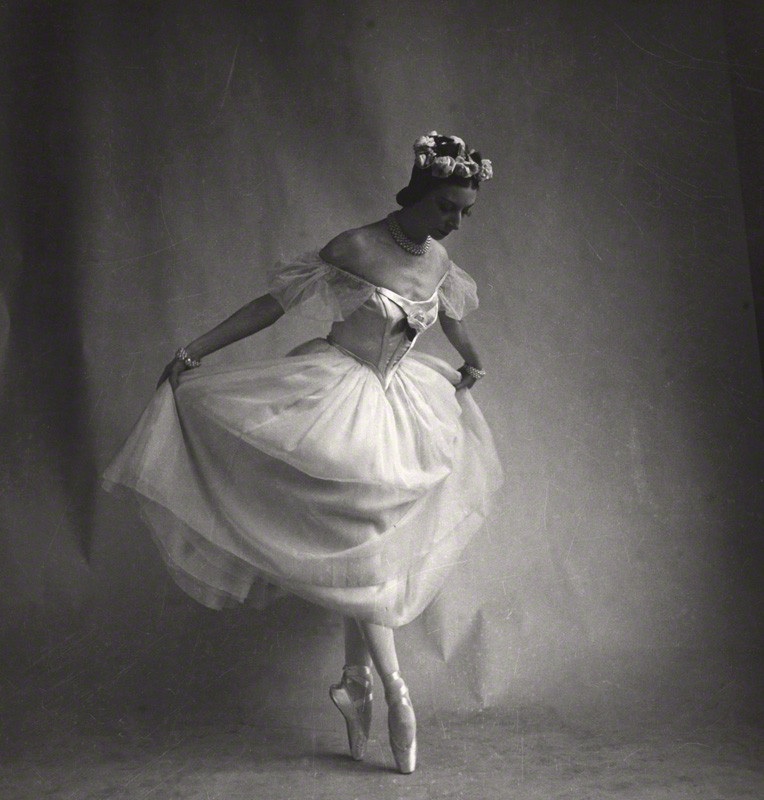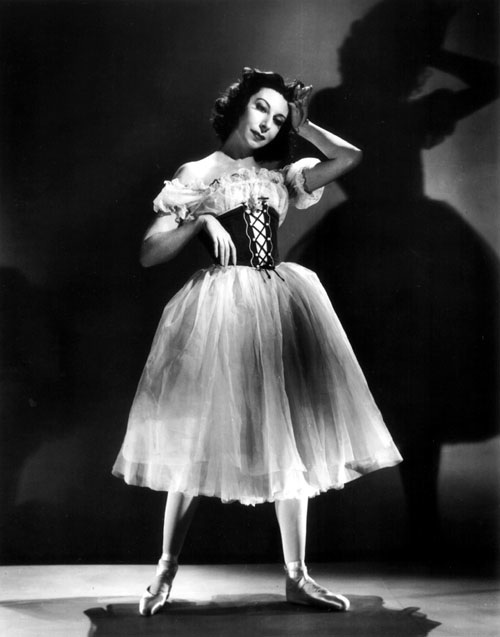
• Home
  • About
  • Author
  • Reviews
  • Media/Events
  • Contact

The Making of Markova

~ by Tina Sutton

         The Making of Markova

Yearly Archives: 2013

Mr. Selfridge puts Markova on TV

01 Saturday Jun 2013

Posted by Tina Sutton in Uncategorized

≈ 4 Comments

Tags

Alicia Markova, Anna Pavlova, Frederick Ashton, Imogene Coca, Invention of Television, John Logie Baird, Lindy Woodhead, Mr. Selfridge, Sid Caesar, Your Show of Shows
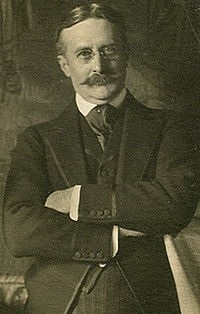
Mr. Harry Gordon Selfridge

Mr. Harry Gordon Selfridge

“We need to put on a show,” Harry Gordon Selfridge purportedly told the staff of his grand self-named London store. And that’s just what the brash American retailer did, luring British shoppers with his lavish display tables, night-lit windows (a first), regal restaurant (with orchestra), rooftop garden (with skating rink!), and a wide array of fine luxuries on six glorious floors.

The colorful (and randy!) Selfridge is the one “on show” in the sumptuously produced Masterpiece Theatre series based on Lindy Woodhead’s engaging biography Shopping, Seduction & Mr. Selfridge. While the retailer’s self-indulgent personal life provides the drama (Oh, my!), his genius for equating shopping with entertainment – and entertainers themselves – interested me far more.
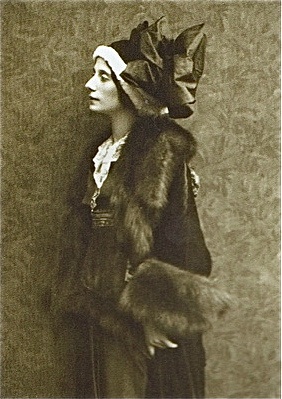
The always extravagantly attired ballerina Anna Pavlova

The always extravagantly attired ballerina Anna Pavlova

The forward-thinking Selfridge recognized early on the value of advertising celebrity tie-ins, ranging from in-store promotions (showcasing a French aviator’s record-breaking plane in the middle of his selling floor) to publicizing the shopping trips of glamorous stars. One of those luminaries was the iconic Russian prima ballerina Anna Pavlova. Selfridge first saw the legendary dancer perform at a private soiree hosted by a wealthy British aristocrat in 1911. Though the television series implies Pavlova enjoyed socializing with her public, that was not generally the case. The star ballerina certainly welcomed generous gifts from admirers – and was always extravagantly and excessively over-dressed – but she actually “offered to reduce her fee [for performing in people’s homes] from £500 to £300 if she would not be obliged to take dinner with the guests,” according to Pavlova biographer Oleg Kerensky.

Unlike Pavlova, Markova liked modern works. Here with Serge Lifar in Cimarosiana, 1927

Unlike Pavlova, Markova liked modern works. Here with Serge Lifar in Cimarosiana (1927)

Though Alicia Markova would be compared to Pavlova throughout her career – they were remarkably similar in appearance and balletic style – the two couldn’t have been more different when it came to interacting with the public. Even at the height of her career, Markova (29 years younger than her idol) always made time to sign autographs and chat with fans. She was also far more adventurous when it came to choosing ballets, enjoying the challenge of dancing new contemporary works while Pavlova remained wedded to the classics. And though Pavlova recognized – and capitalized on – the value of advertising and promotions, Markova took marketing to a whole new level. That was something she had in common with Mr. Harry Selfridge, and in the 1930s, the two helped pioneer a newfangled medium called television.
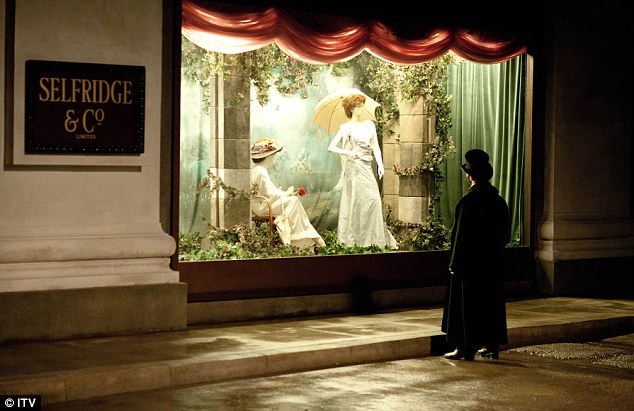
Selfridges would become the first store to feature a television in the window in 1931

Selfridges would become the first store to feature a television in the window in 1931. (Photo from the PBS series.)

It was Scotsman John Logie Baird who patented the first mechanical television system in 1923, spending the next several decades perfecting his rudimentary invention in a London studio. While many scoffed at the whole idea, Harry Selfridge thought it a great promotional draw when Baird was actually able to transmit live images in 1931. Selfridge not only put a large “televisor” set in the store’s Oxford Street window, but also took out newspaper ads and bus display banners to promote scheduled performances and transmission times.

Realizing that only the most compelling programming would lure customers to stand outside and watch (presumably followed by a shopping trip inside), Baird approached London’s most acclaimed ballerina, 21-year-old Alicia Markova. He knew Selfridge had been a big fan of Pavlova (there were rumors of an affair) and Markova was seen as the Russian ballerina’s successor after she unexpectedly died of pleurisy in January 1931. Although Baird warned Markova of the primitive and difficult conditions required for broadcast transmission, the young dancer literally leapt at the chance. Alicia Markova would become the first ballerina ever to appear on television.

Markova danced the Polka from Frederick Ashton's humorous Façade in her first television appearance, 1932

Markova danced the Polka from Frederick Ashton’s humorous Façade in her first television appearance, 1932

Performing in Baird’s tiny transmission studio – a mere 12 x 12 foot room – was quite an adventure. Markova’s recollections from The Making of Markova: “It was the size of a postage stamp! The floor was covered in big black and white checks and we had to have a piano for musical accompaniment. Then there was this huge beam of light that used to flicker so it was very difficult to balance or focus. There wasn’t room for a partner, so I had to dance alone. For everything, you had to stay in one place. You really couldn’t move around because there wasn’t anywhere to move. The costumes had to be brought in ahead of time and all outlined with black ribbons. And the make-up – dead white – with a black mouth and purple eyes. And when I finished the little variation, to get off camera, I had to duck down, bend, and crawl out under the piano. But I so wanted to be in in the beginning.” Markova chose two ballets that required little side-to-side movement: Moods by Balanchine and the “Polka” from Ashton’s Façade. 

Markova pioneered ballet performances on television

Markova pioneered ballet performances on television

Though many in the ballet world thought the whole idea of television completely beneath them, Markova immediately grasped its power to popularize classical dance. And while that was her goal, appearing “live” in Selfridge’s windows, with all the attendant advertising and publicity, made Alicia Markova a London household name.

Markova on the BBC, 1957

Markova on BBC, 1957

Again, from The Making of Markova: “She could well have described herself as one of its [television’s] pioneers,” reported Ballet Today in a 1955 profile of Markova, “for she has made countless appearances on the screen, both in this country and in the United States. It is a medium in which she has expressed her faith by her very loyalty and devotion. She recognized it then as a suitable medium for ballet, which only recently has been universally accepted and appreciated. In the days before the war it was still treated in many quarters as a subject for derision and music-hall jokes.”
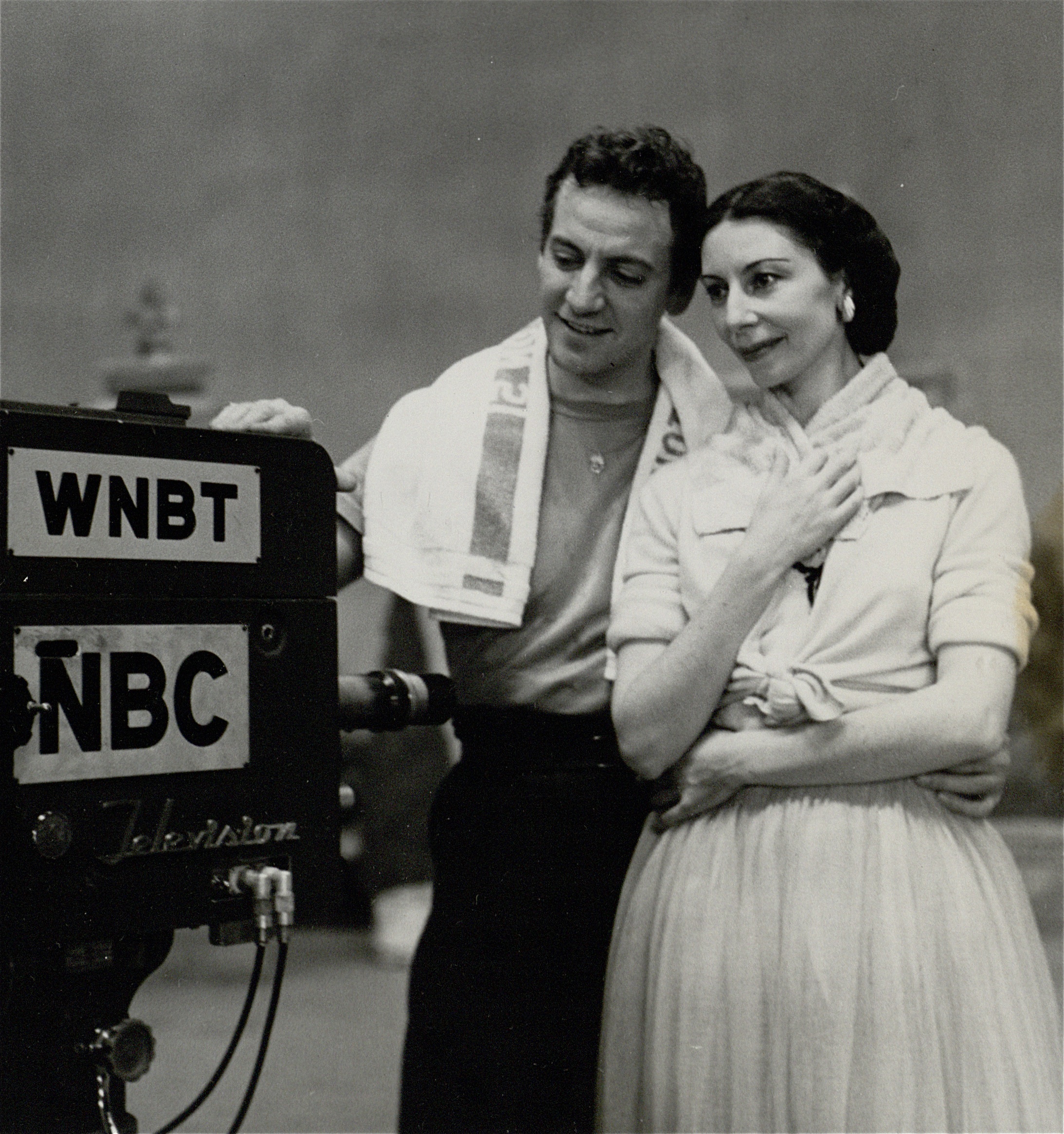
Markova rehearsing with choreographer James Starbuck for Your Show of Shows, 1953

Markova rehearsing with choreographer James Starbuck for Your Show of Shows, 1953

In 1953, Markova was asked to guest-host the comedy/variety program Your Show of Shows, starring Sid Caesar and Imogene Coca. Thirty-million people tuned in and fell in love with the humorous, self-deprecating ballerina. Markova received so much fan mail, she was offered her own half-hour TV program.

Thanks Mr. Selfridge.

Share this:

  • Tweet
  • Email a link to a friend (Opens in new window) Email
  • More
  • Share on Tumblr
Like Loading...

Coco Chanel and the Ballets Russes

01 Wednesday May 2013

Posted by Tina Sutton in Uncategorized

≈ 1 Comment

Tags

Alicia Markova, Ballets Russes, Bronislava Nijinska, Chanel No. 5, Coco Chanel, Igor Stravinsky, Jean Cocteau, Le Train Bleu, little black dress, Lydia Sokolova, Monte Carlo, Pablo Picasso, Sergei Daighilev

Coco Chanel

Coco Chanel

On May 5, 1921 – the fifth day of the fifth month – Coco Chanel had a gift for her soigné clientele. She had commissioned Ernest Beaux, known as le nez (the nose), to create a variety of fragrances for her review. Number five was the clear winner. Chanel No. 5 would become the best-selling perfume of all time, with current estimates that a bottle is sold every 30 seconds around the globe.

From May 5th through June 5th, the Palais de Tokyo in Paris is hosting a special exhibition titled No 5 Culture Chanel celebrating the “timeless and iconic artistic essence” of the famous perfume. Certainly that description also defines Chanel’s divinely classic fashions, as relevant today as when they were first introduced.

Chanel with Ballets Russes dancer Serge Lifar

Chanel with Ballets Russes dancer Serge Lifar

But of course, those designs were anything but classic in the early decades of the 20th century. Chanel was a rule breaker in life and work, which brought her to the attention of Ballets Russes impresario Sergei Diaghilev. Chanel happily joined his circle of creative groundbreakers, offering both monetary and artistic support (not to mention having a scandalous affair with the married composer Igor Stravinsky).

It was in the company’s home base of Monte Carlo on the French Riviera that the 14-year-old Alicia Markova would come under the spell of the famed fashion designer.

Markova in La Chatte (The Cat) at the Ballets Russes

Markova in La Chatte (The Cat) at the Ballets Russes

Markova remembered seeing Chanel and Pablo Picasso sitting together during dress rehearsals for new productions. Diaghilev staged “fashion parades” of costumed dancers for the pair, seeking their opinions and suggestions. The Ballets Russes was as famous for its highly original sets and costumes as for its music and choreography.

“Highly original” is also a perfect description of Chanel’s novel modern design aesthetic at the time. After decades of women being painfully cinched into tight, wasp-waisted corsets and covered neck-to-toe in elaborately draped fabric, Chanel chose to reveal the body’s natural contours in comfortable, softened silhouettes. It was as revolutionary as Cubism.

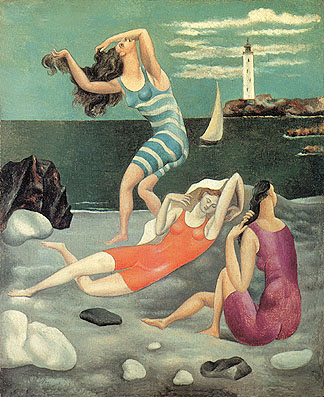
Chanel's clingy new bathing suits captured by Picasso in "Women Bathing" 1918,

Chanel’s clingy new bathing suits captured by Picasso in “Women Bathing” 1918,

“The provocative Chanel bathing suits – sleeveless, skirtless, clinging – would catch Picasso’s eye,” writes his biographer John Richardson. “Fascinated by this revolutionary garment’s effect on the way women looked and behaved, Picasso did a fine, small painting of three bathing-suited girls – each fiddling with their hair – on the beach below Palace Hotel. This is the first of countless bather compositions in Picasso’s work.”

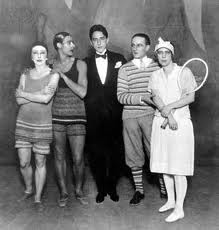
Diaghilev also took notice of Chanel’s “sports clothes” revolution in the Riviera, asking her to design costumes for his new contemporary production Le Train Bleu (the luxury locomotive that transported wealthy Europeans to Monte Carlo). With libretto by Jean Cocteau and choreography by Bronislava Nijinska (Nijinsky’s sister), the satirical ballet poked gentle fun at the idle rich vacationers.  Diaghilev asked Chanel to translate her latest de la mode styles for the dancers. While audiences loved it, the performers were less enthused.

Chanel's costumes for Le Train Bleu

Chanel’s costumes for Le Train Bleu

As I wrote in The Making of Markova: Consider poor Lydia Sokolova. Chanel presented her with a wool jersey bathing costume and rubber slippers that stuck to the stage. What could be worse? The ballerina also had to wear oversized faux pearl earrings, much like the costume jewels favored by Chanel’s affluent clientele, the very ones who would be in the audience on opening night. The ear bobs were so large and cumbersome, Sokolova couldn’t hear her orchestra cues. Leon Woizikowski fared no better. He had to master grand leaps while wearing his Chanel-designed golf knickers, shirt, tie and striped long sleeve sweater; and Nijinska’s tennis dress came complete with a full-size racket.

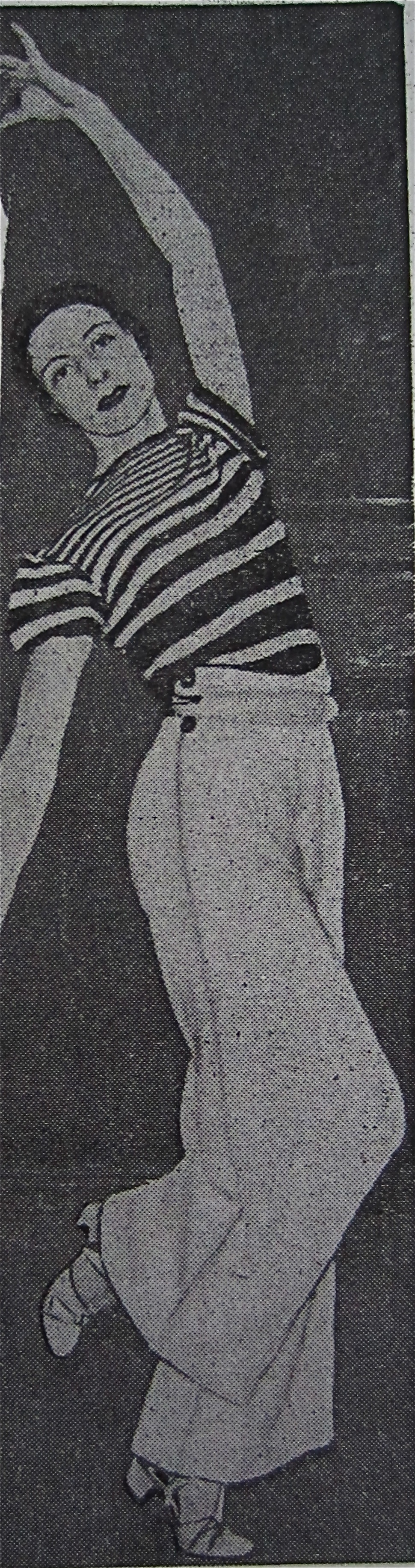
Markova à la Chanel

Markova à la Chanel

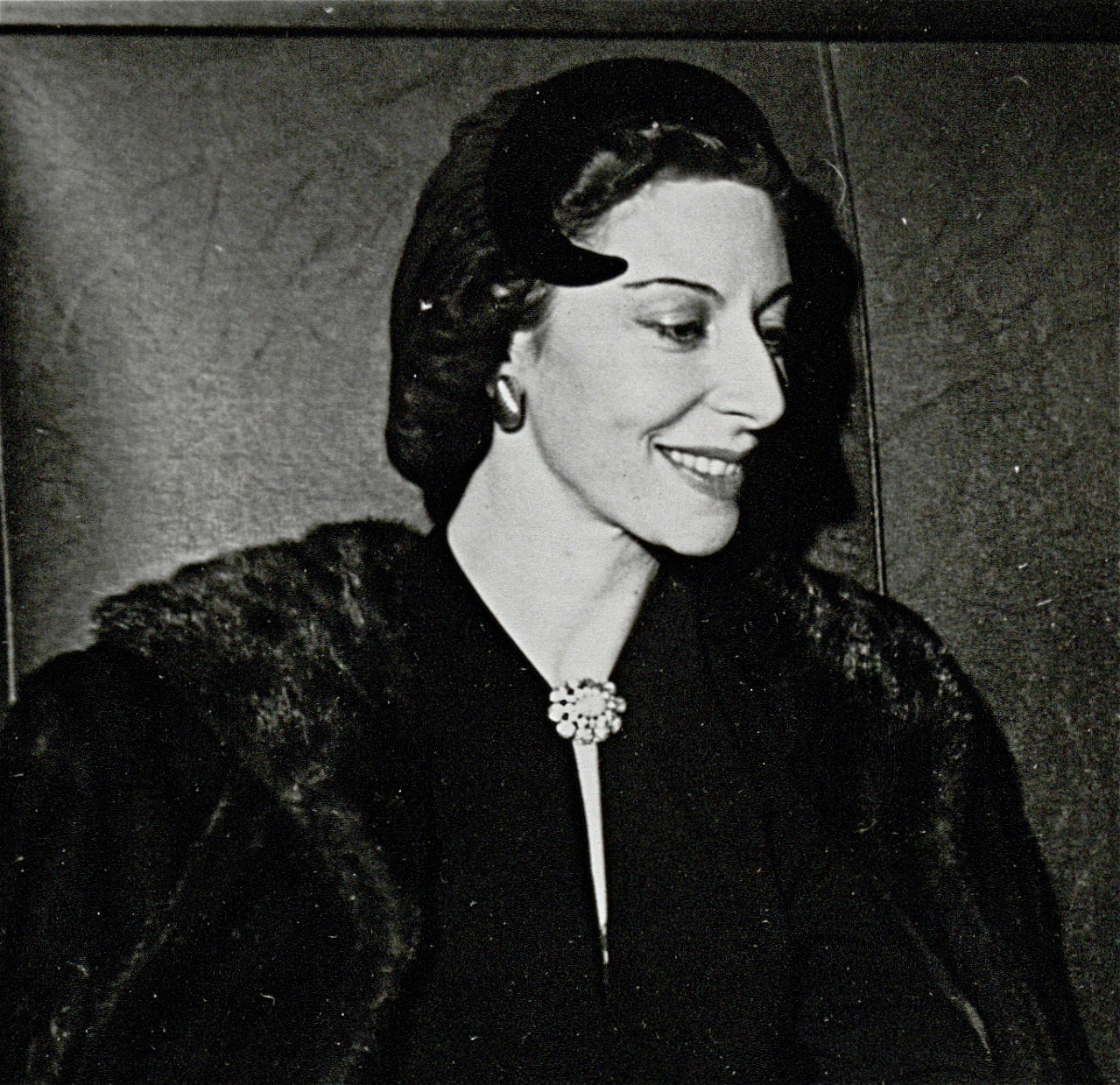
Markova was well aware of Chanel’s status as the epitome of modern chic on the Riviera. Diaghilev had told her to study not only how “Coco” dressed, but also how she walked and sat. The teenager couldn’t have found a more stylish role model, and the adult Markova would come to share her fashion idol’s preference for understated elegance, black and white fashions, and a few pieces of dramatic costume jewelry.

The always understated and chic Markova

Markova in anything-but-basic black

As a young child, Markova had felt unattractive compared to her three pretty sisters. “I didn’t even look a typically English little girl of the period,” she wrote in her personal memoirs. So after studying the most stylish women in the neighborhood, Lily Marks (as she was then called) decided basic black was quite chic, requesting that rather adult color for her first party dress at age five.

Markova © 1935

Markova circa 1935

“Everyone laughed, but I wore a little black satin dress trimmed with white lace,” Markova recalled proudly. She would still be wearing basic black with white lace accents (as in the hat seen at right) three decades later.

While at the Ballets Russes, Markova witnessed firsthand a banner year for women’s fashion. It was in 1926 that Chanel introduced her first “little black dress.” As Edmonde Charles-Roux writes in her book Chanel and her World:

Markova in a little black dress, with sister Doris

Markova in a little black dress, with sister Doris

“In 1926, the American edition of Vogue predicted that a certain black dress created by Chanel – a simple sheath in crêpe-de-chine, with long, closely fitting sleeves – would become a sort of uniform for all women of taste. But hordes of women wearing the same dress? Such a forecast seemed totally irrational.”

From then on, simply-cut black cocktail dresses that showed off her lithe figure would become Markova’s signature style, as it would be for countless chic women to this very day.

Share this:

  • Tweet
  • Email a link to a friend (Opens in new window) Email
  • More
  • Share on Tumblr
Like Loading...

The Colorful Marc Chagall

14 Sunday Apr 2013

Posted by Tina Sutton in Uncategorized

≈ 2 Comments

Tags

Aleko, Alicia Markova, American Ballet Theatre, Chagall: Beyond Color, Dallas Museum of Art, Leonide Massine, Marc Chagall, The Firebird

Marc Chagall's drawing of Alicia Markova for the ballet Aleko

Marc Chagall’s drawing of Alicia Markova for the ballet Aleko

Though I can’t dance a step, I did share one thing with Alicia Markova: a lifelong love of art and art history. So when researching her biography, I relished exploring Markova’s numerous personal relationships with many of the most cutting-edge modernists of her day. She developed an especially close bond and friendship with the Russian painter Marc Chagall, whom Time magazine art critic Robert Hughes called “the quintessential Jewish artist of the 20th century.”

Markova and Chagall shared not only a religion – both Jews in vehemently anti-Semitic times – but also an immense joy in their art, evidence of which is now on display in the Dallas Museum of Art’s irresistible show: Chagall: Beyond Color. For the first time since the 1940s, Chagall’s glorious sets and costumes from the ballet “Aleko” – choreographed by Léonide Massine and starring Alicia Markova – are on public view in the United States.

Chagall exhibit at Dallas Museum of Art

Chagall exhibit at Dallas Museum of Art

When the ballet premiered in Mexico City in 1942, Chagall’s ebullient designs were so bold and original that celebrated artists Diego Rivera, Frida Kahlo and José Orozco gave him a standing ovation on opening night. (The ballet received 19 curtain calls, with Chagall invited up on stage to take his well-deserved bow with the dancers.)

How did Marc Chagall wind up in Mexico? Forced to flee Paris with his family due to Nazi persecution during World War II, the renowned painter moved to New York when propitiously invited by the city’s acclaimed Museum of Modern Art. It was there, while working for Ballet Theatre (now the American Ballet Theatre), that fellow Russian Léonide Massine asked Chagall to collaborate with him on “Aleko” – a tragic tale of passionate love and betrayal based on a poem by another famous Russian, Alexander Pushkin. Fortunately that creative process took place during a spring/summer performance booking in Mexico City, because the New York stage painters union would not have permitted Chagall to do anything but “direct” the design process if they had been working in Manhattan.

One of Chagall's 30 x 40 foot hand-painted ballet set backdrops for Aleko

One of Chagall’s 30 x 40 foot hand-painted ballet set backdrops for Aleko

Chagall's fish costume for Aleko

Chagall’s fish costume for Aleko

That would have been a tremendous loss, as you can see here in photos of several extraordinary Aleko pieces in the Dallas show. Chagall’s four hand-painted backdrops (30 by 48 feet each!) boasted his signature folkloric symbolism, spontaneity of brushstroke, and remarkable eye for intense, expressive color. The artist also hand-painted the wildly inventive costumes, almost 70 in all, each with its own distinct flavor of delicious colorations and whimsical design.

Chagall violin costume for Aleko

Chagall violin costume for Aleko

Markova spent much time working and socializing with Chagall and his beloved wife Bella during the entire creative process for Aleko. The trio would shop the city’s marketplace together, gathering inspiration from the intense local colors as they scooped up vibrantly dyed fabrics and intricate decorative trims. Bella, an excellent seamstress, would then stitch the various materials together under her husband’s direction as he experimented with fanciful layering. Markova also contributed, making exotic armlets and necklaces for her costumes from decorative Mexican gold coins.

Markova as Aleko's Zemphira in a costume designed by Marc Chagall

Markova as Aleko’s gypsy Zemphira, costume design by Marc Chagall

As the firey gypsy temptress Zemphira, Markova had numerous costume changes, one more exotic than the next, and all covered in layered nettings, fabric flourishes and colorful appliqués. Chagall hand-painted each garment while Markova modeled it, so he could achieve the perfect placement for his symbolic design details.

Best known as an exquisitely refined and ethereal classical ballerina – the quintessential Giselle – Markova was a revelation to critics and audiences alike as the perfect embodiment of a “priestess of evil,” as one critic remarked. Chagall’s costumes went a long way in helping Markova create that acclaimed performance, as dance critic Grace Roberts described:  

Chagall hand-painted Markova's costume while she modeled it

Chagall hand-painted this costume while Markova modeled it for him

With sunburnt make-up, wild hair, and a vivid red costume, her very appearance was a shock, though a delightful one. Nothing was left of the familiar Markova but the thistledown lightness, and authoritative dancing style, now turned to the uses of demi-caractère.

On the bodice of Markova’s first costume (photo at left), Chagall painted a small red heart just below the ballerina’s own, with a tree of life beneath it to illustrate the initial hopefulness of passionate love.

Ever after, Chagall signed all his correspondences to Markova with his name inside a heart – not as a token of romantic love – but as a reminder of their happy times working together. The pair would reunite in 1945 for the The Firebird ballet with music by Igor Stravinsky, once again with Markova dancing the lead role.

Chagall's  study for The Firebird ballet curtain

Chagall’s study for The Firebird ballet curtain

As in the study above for The Firebird ballet curtain (also in the Chagall: Beyond Color show in Dallas) the artist whimsically melds the spirit of Markova and the titled bird, both capable of effortless flight. In addition to creating a breathtaking costume for Markova with large beak and real bird-of-paradise plumes, Chagall developed a special body make-up for his fine feathered friend. First a dark brown body-wash was applied to Markova’s shoulders, arms, and back, followed by patches of grease. Gold-dust was then sprinkled all over her (or thrown at her, as she liked to say) sticking to any oily surfaces. While dancing the role, Markova’s body glistened like a bird’s feathers in the sun.

Markova and Chagall in 1967

Markova and Chagall in 1967

Though a magical effect, it took hours in a hot tub to soak off, forcing Markova to leave the theatre many an evening still covered in itchy gold dust. But she said it was always worth it, and she and Chagall remained great friends for life.

Share this:

  • Tweet
  • Email a link to a friend (Opens in new window) Email
  • More
  • Share on Tumblr
Like Loading...

Toe to Toe with Alicia Markova

01 Monday Apr 2013

Posted by Tina Sutton in Uncategorized

≈ Leave a comment

Tags

Agnes de Mille, Alicia Markova, Cecil Beaton, Duchess of Windsor, Henry Leutwyler, John Rawlings, Marlene Dietrich, Salvatore Ferragamo, Vogue magazine, World War II

From photographer Henry Leutwyler's book "Ballet."

From photographer Henry Leutwyler’s book “Ballet”

Just after finishing my biography of Alicia Markova, I came across a photography exhibit on ballet at the Foley Gallery in New York’s Chelsea art district.  Swiss-born photographer Henry Leutwyler had been given unprecedented access to the backstage goings on at The New York City Ballet, capturing, as a New York Magazine review stated, “uncommonly raw backstage images.”  The amazing photos are now out in book form, appropriately titled simply “Ballet.”

The image that I couldn’t get out of my mind (seen at left) graphically illustrates the wear and tear a ballerina’s foot is subjected to in the process of creating seemingly effortless steps on stage.

That photo, and several others like it, made me even more in awe of the ballerina I had been researching for the past four years. Despite a dancing career that spanned five decades, not to mention grueling daily performance schedules unheard of today, Alicia Markova always prided herself in having milky white, unblemished feet.

Markova's foot photographed by fashion photographer John Rawlings for Vogue magazine.

Markova’s foot photographed by fashion photographer John Rawlings for Vogue magazine

Vogue fashion photographer John Rawlings immortalized one of those feet in an editorial spread for the magazine. In addition to the spectacular shot of Markova in a dramatically draped de la mode gown (seen below), Rawlings had the idea to show off a rather pricey bracelet and pin by using Markova’s flawless foot and graceful leg as if a natural wonder growing outdoors. (Photo at right.)

Someone else who was completely taken with Markova’s feet was a local masseuse she visited while on a lengthy tour of Johannesburg, South Africa. Following a session of therapeutic muscle treatment, he asked to make a plaster cast of her foot in lieu of payment. It was the most beautiful he had ever seen, she was told.

John Rawlings fashion photo of Markova for Vogue magazine.

John Rawlings fashion photo of the lithe Markova for Vogue magazine

Shoemaker to the stars Salvatore Ferragamo agreed. He once announced to the national media that the impossibly chic Alicia Markova had the “most perfect feet in the world.” Admittedly, he said that about more than one celebrity client, including the Duchess of Windsor and Marlene Dietrich. But Ferragamo added that Markova’s feet were “strong and lovely and startling,” as hers certainly took the most physical abuse and remained unmarred.

American dancer/choreographer and writer Agnes de Mille was a student at the London ballet company where Markova was the reigning star. From the first time she saw Markova rehearse, de Mille was dumbfounded at her fragile appearance and astounding technique, not to mention her preparation for the stage, including care of her feet. De Mille wrote the following in her book Portrait Gallery (1990):

“She is utterly feminine but as incorporeal as a dryad. Her slenderness, her lack of unneeded flesh, is a rebuke to everything gross in the world. The tights are held taught by elastics and tapes that wrap around her 21-inch waist. Her toes are swatched very exactly in lamb’s wool to prevent shoe friction, and the priceless little mummies are then inserted in the flawlessly clean satin boxes which are glued to her heel (Pavlolva used spit in the heel of her shoe – this is an old tradition; Alicia uses LaPage’s glue – it is stronger) and the ribbons sewn. She has to be cut out of her shoes.”

It was a good thing Markova took great care of her size 4 ½ feet. They were so tiny and seemingly frail, insurance companies refused her coverage. And her big toe was almost twice as long as the others, also perceived as problematic. When Alicia Markova stood en pointe, she was literally supported by a single toe.

Markova en pointe, photo by  her friend Cecil Beaton

Markova en pointe, photo by her friend, photographer Cecil Beaton

During World War II, Markova was performing in the United States and greatly admired all the women factory workers supporting the war effort while their boyfriends and husbands fought overseas. She offered them the following advice in many newspaper and magazine interviews: “hot Epsom salts foot baths and exercises. . . . For best results, pick up marbles with your curled toes – master the trick and find how good it makes your feet feel!”
Clearly, it works.

Share this:

  • Tweet
  • Email a link to a friend (Opens in new window) Email
  • More
  • Share on Tumblr
Like Loading...

Dirty Work Afoot: Treachery at the Ballet

21 Thursday Mar 2013

Posted by Tina Sutton in Uncategorized

≈ Leave a comment

Tags

Alicia Markova, Ballet Russe de Monte Carlo, Bolshoi Attack, Dance, Giselle, Leonide Massine, Serge Lifar, Sergei Filin, Tamara Toumanova, The Making of Markova

Think ballet is the most genteel of arts? Think again.

Throwing acid in the face of Bolshoi Ballet artistic director Sergei Filin may have been one of the most horrific examples of professional sabotage, but hot-blooded Russian dancers have a history of taking matters into their own hands when they don’t get their way. Broken glass hidden in toe shoes, needles stuck into tutus, dressing room costumes ripped to shreds between acts – ballet legend Alicia Markova experienced it all.

Markova as Giselle © Roger Woods

Markova as Giselle
© Roger Woods

As I wrote in my biography The Making of Markova, “Intrigues, jealousies, death threats – even a proposed duel! This wasn’t ballet, it was a Wagnerian opera, and Markova was cast as the doomed heroine.”

That tale begins in 1938 when England’s most celebrated classical dancer – Alicia Markova – joined the Ballet Russe de Monte Carlo. The resident Russian contingent – beautiful young ballerina Tamara Toumanova, egotistical male lead dancer Serge Lifar, and their loyal company seamstresses – was incensed at the British interloper being given star status. Never mind that Markova had begun her career at Sergei Diaghilev’s famed Ballets Russes in 1924.

Though the sabotage began on a small scale – the top of Markova’s tutu went missing just before curtain, her costume was “mistakenly” tailored to Toumanova’s measurements so she had nothing to wear on stage, etc. – it escalated when Serge Lifar “accidentally” dropped Markova during a performance and turned her ankle. Given that it happened after she had received 24 curtain calls and he was booed for not allowing her to take the spotlight alone was likely not a coincidence. Lifar was known for overacting on stage as well as off (see photo below).

Serge Lifar, Giselle 1942

Serge Lifar, Giselle 1942

Things really got ugly when the company left Europe for New York where the theatre run was sold out in anticipation of the great Markova dancing Giselle in America for the first time.

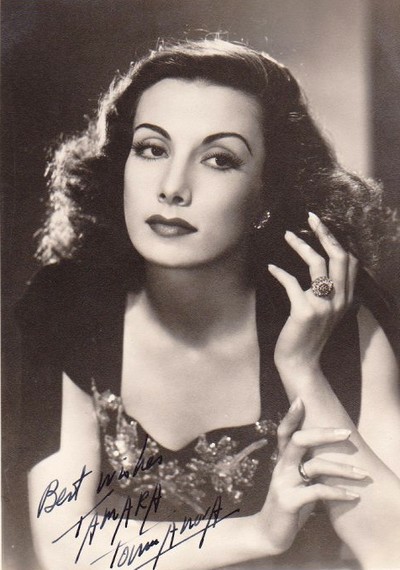
Tamara Toumanova

Tamara Toumanova

Toumanova thought she should star on opening night. Lifar agreed. And so did Mama and Papa Toumanova – a stage mother for the ages married to an ex-military man – who accompanied their daughter on the trip.

Though impresario Sol Hurok liked a pretty face as much as the next person – and Toumanova was truly lovely (see photo) – she couldn’t hold a candle to Markova when it came to the emotionally complex role of Giselle. Hurok only saw dollar signs, and Markova was the big box office draw.

It was obvious things weren’t going well when Markova witnessed Papa Toumanova – incensed that Tamara wasn’t the company’s star – sucker-punching art director Léonide Massine and knocking him to the ground at rehearsal. Though the ex-military man was promptly banned from the theatre, things only got worse.

Markova & Massine, Ballet Russe de Monte Carlo, © Maurice Seymour

Markova & Massine, Ballet Russe de Monte Carlo, © Maurice Seymour

A few days later Markova was leaving the theatre when someone pressed a note into her hand and dashed off into the crowd. The note read: “DON’T DANCE TOMORROW NIGHT, OR . . . “

Everyone was in a tizzy; Markova was assigned a bodyguard; Markova wanted to back out; Sol Hurok begged her not to. Opening night finally arrived.

From The Making of Markova:

   Taking no chances, Hurok set about securing the theatre, beginning with special identification badges issued to every Metropolitan Opera House employee – the first time that had ever been done. ‘A threat of possible violence caused me to take the precaution to have detectives, disguised as stage-hands standing by,’ Hurok added. ‘I eliminated the trap-door and understage elevator used in this production as Giselle’s grave, and gave instructions to have everything loose on the stage fastened down.’ It was like the first half of an Alfred Hitchcock movie. Bu what would be the denouement?
Hurok’s final order caused its own set of problems. Already shaken by the sight of security guards in the wings watching her every move – not to mention making her American premiere! – Markova found herself equally agitated while on stage. As she tells the story:

   In Act II, Giselle has to pick two flowers from the ground row at the back of the stage during the pas de deux and toss them to Albrecht. It is beautifully timed musically: Giselle has to do a glissade, a temps levé and a run, plucking one lily and then the next.
As I performed the step, I found the lilies had been nailed to the ground: battened down like everything else for security. They seemed immovable. The company later told me they had never seen anything like the way the ethereal spirit of Giselle gave one wrench and then another wrench, and tore the lilies from the ground with superhuman – perhaps supernatural – strength – and got back to centre stage in time to carry on.
   I sometimes wonder why I never developed an ulcer!

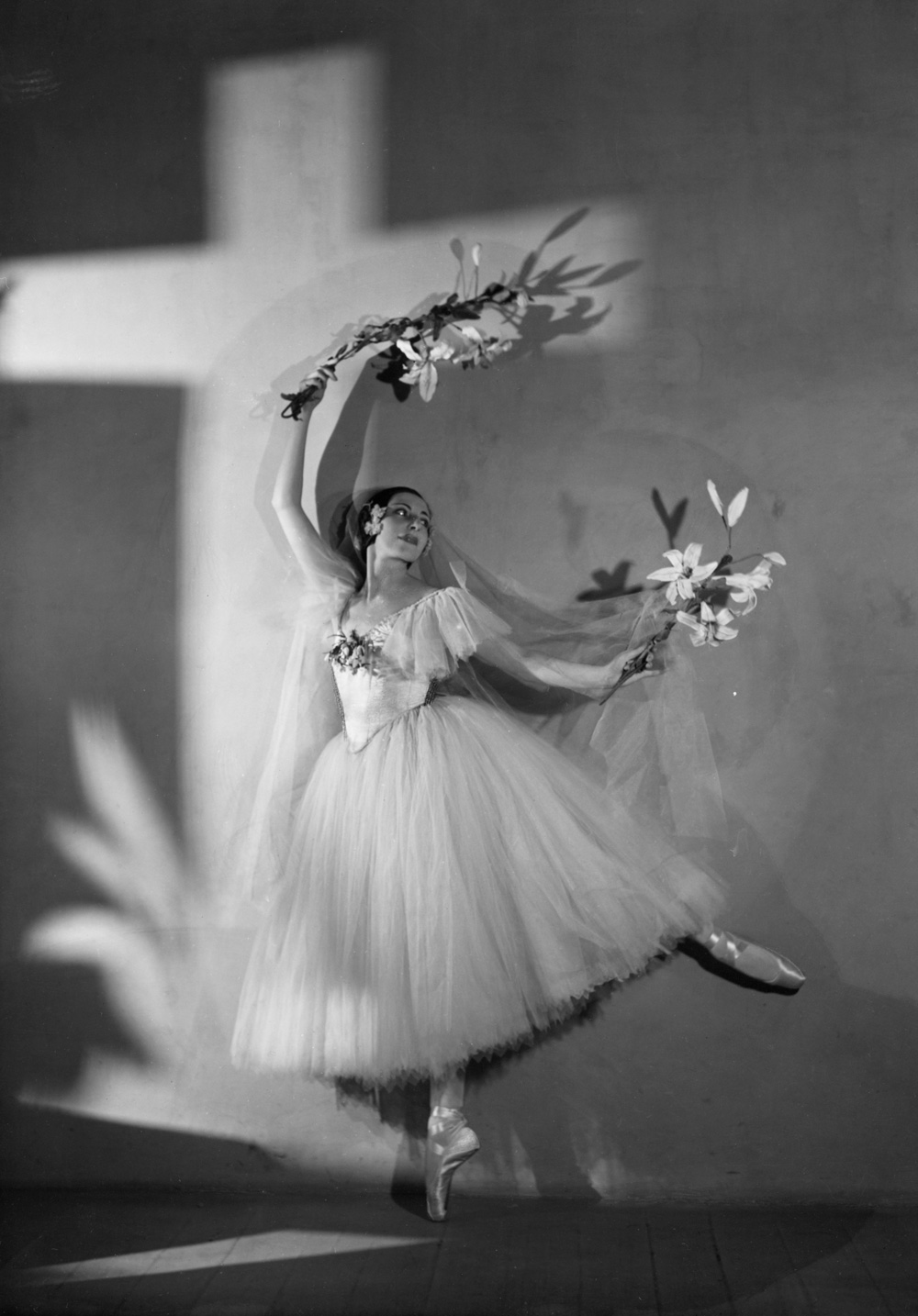
Markova, Act II Giselle

Markova, Act II Giselle

The above photo of Markova gracefully holding the lilies as Giselle will give you an idea of the ridiculousness of the above scene. Despite all the melodrama before and after her first American opening night, Markova brought the house down, with critics describing her in the press as “breathtaking,” “phenomenal” and “incomparable.”

Toumanova and Lifar were incensed.

At the next night’s performance of Giselle, Lifar seemed to lose his balance when lifting Markova, dropping her down so hard she fractured her foot. It was another “accident” of course. Next came the challenge to a duel in Central Park – but that’s a story for another day.

Share this:

  • Tweet
  • Email a link to a friend (Opens in new window) Email
  • More
  • Share on Tumblr
Like Loading...

Capturing a Legend

08 Friday Mar 2013

Posted by Tina Sutton in Uncategorized

≈ Leave a comment

Tags

Alicia Markova, Ballet Photography, Maurice Seymour, Ron Seymour, The Nutcracker

Alicia Markova

Alicia Markova

The life of Alicia Markova (1910 – 2004) is as improbable as it is remarkable. When she came of age, prima ballerinas were Russian, robust, classically beautiful, and Christian. Markova was British, fragile, ethnic looking, and Jewish. A painfully shy and frail little girl, Lilian Alicia Marks (Sergei Diaghilev renamed her Markova) also suffered from leg and foot deformities, a riches-to-rags upbringing, and a frighteningly overbearing governess who locked her in her room for “safekeeping.”

Defying all odds – and with a great deal of fortitude and reinvention – she grew up to become not only the most acclaimed classical prima ballerina of her generation, but also a worldwide celebrity and impassioned ambassador for the art of ballet. It was quite a perilous and bumpy road to success, with The Making of Markova reading more like a novel than a biography.

In the many years I’ve been working on the book, my friends have been riveted by Markova’s almost unbelievable life stories, and invariably ask if there’s video of her dancing that they can look at today. While there are snippets on You Tube, as well as existing BBC broadcasts, none really capture the ethereal poetry, gossamer fragility, and gravity-defying leaps that so mesmerized audiences and critics in her day.

© Maurice Seymour, Courtesy Ron Seymour Photography

© Maurice Seymour, Courtesy Ron Seymour Photography

But someone who did capture the essence of Markova’s magnetism – and her decidedly modern sensibility – was legendary photographer Maurice Seymour, or rather photographers Maurice Seymour, plural. Maurice and his brother Seymour Zeldman emigrated from Russia as teenagers and settled in Chicago, Illinois. As told to me by Maurice’s son Ron Seymour (currently a talented Chicago-based photographer himself), the brothers opened their studio under the name “Maurice Seymour,” a combination of their first names. But when vendors didn’t understand why Maurice Zeldman (1900 – 1993) was signing their paychecks, Ron’s father legally changed his name to Maurice Seymour. His brother eventually also took the same last name, and odd as it may seem, became Seymour Seymour.

But there was one more twist. When the brothers separated their businesses later in their careers – Maurice staying in Chicago and Seymour moving to New York – Seymour legally changed his name once again – to Maurice Seymour!

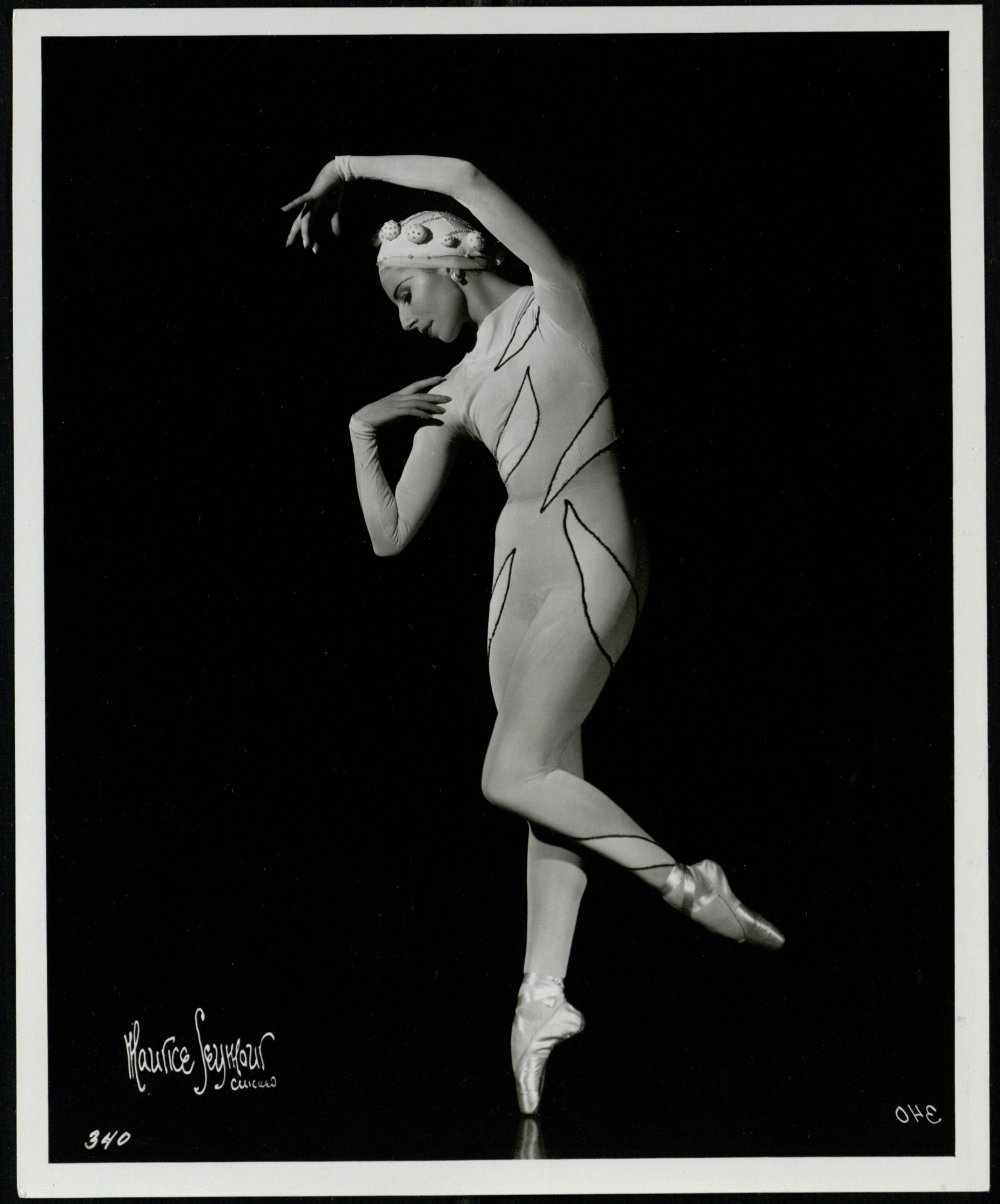
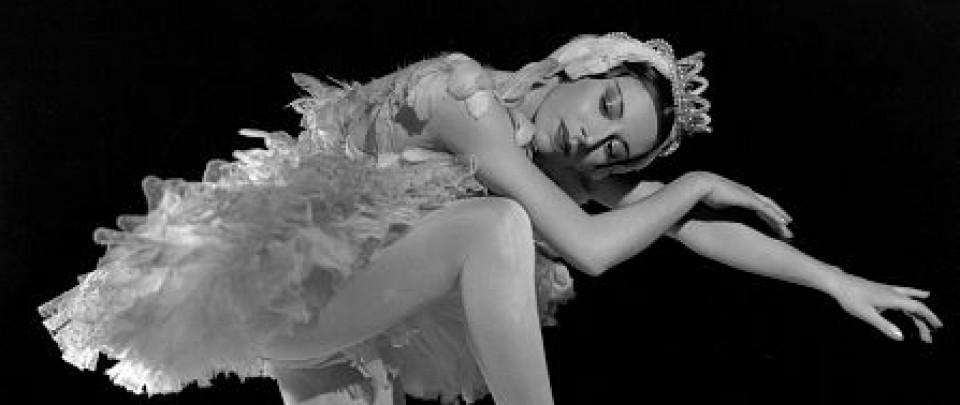
No matter who snapped the actual photo, the Maurice Seymour name guaranteed an arresting, often iconic image, and the brothers became world-renowned for their theatrical and portrait photography. Just look at the effortlessly elegant photo of Markova in Swan Lake at the top of this website, or the powerful image of her in Rouge et Noir, at right. (For more Maurice Seymour images, visit Ron’s website at ronseymour.com)

As the brothers were immensely talented – and spoke Russian – they became the undisputed photographers of choice when the Ballet Russe de Monte Carlo came to Chicago on one of their cross-country tours. (Many of the dancers were only fluent in Russian and spoke very little English. The British-born Markova was one of the exceptions.) Extra time was allotted in Chicago for photo sessions at the Seymour studio, where many of the leading dancers were immortalized in their most famous roles.

Maurice’s son Ron had a ringside seat when he was a young child in the 1940s. Here he shares some memories of watching his father and uncle work in their studio with all those celebrated dancers:

Ron Seymour:
“Often the whole Company would come for an entire weekend. It was like a huge party – although my father and uncle were of course working. There was food, champagne, music and everybody was having a good time. There were make-up people, costume people. It was quite chaotic, but also very productive.

“There was a big dressing room, a big reception area, and the studio itself, which was large. Dancers were in various states of undress, just like backstage at the ballet.

© Maurice Seymour

Markova as the Sugar Plum Fairy © Maurice Seymour

“They had a stage set up in the studio, about 14 inches high off the floor. Behind the stage there was a bank of lights, which would shine up in the background. There was no strobe lighting with automatic flash back then. They used very strong lighting, spotlights – not soft floodlights.” (That’s how the brothers achieved their signature bold theatrical style.)

Ron also told me a little-known secret. For dancers who had difficulty holding a particular pose – Markova was famous for being able to stand on one toe seemingly forever (see above photo of her in a costume for The Nutcracker) – there was a barre built across the stage. “A ballerina could actually be gently leaning against it for a photograph, and then it could be retouched out of the picture afterward,” Ron explained.

Though many “Maurice Seymour” negatives would be lost in the 1970s – a fascinating story for a later post – Ron happily was able to safeguard some of the most spectacular ballet photos of the 1930s, ‘40s and beyond.

Share this:

  • Tweet
  • Email a link to a friend (Opens in new window) Email
  • More
  • Share on Tumblr
Like Loading...
Newer posts →

Order on Amazon

  • Order from Barnes & Noble
  • Order from IndieBound
    • Write to Tina

    Archives

    • October 2014
    • August 2014
    • June 2014
    • May 2014
    • April 2014
    • March 2014
    • February 2014
    • January 2014
    • December 2013
    • November 2013
    • October 2013
    • September 2013
    • August 2013
    • July 2013
    • June 2013
    • May 2013
    • April 2013
    • March 2013

    Enter your email address to follow this blog and receive notifications of new posts by email.

    Join 33 other subscribers

    Blog at WordPress.com.

    • Subscribe Subscribed
      • The Making of Markova
      • Join 33 other subscribers
      • Already have a WordPress.com account? Log in now.
      • The Making of Markova
      • Subscribe Subscribed
      • Sign up
      • Log in
      • Report this content
      • View site in Reader
      • Manage subscriptions
      • Collapse this bar
     

    Loading Comments...
     

      %d